
For eleven years I ran my plumbing business out of a paper diary that lived on the dashboard of my van, held together by a rubber band and hope. I told myself it worked. Then one wet Tuesday I sat down to do invoicing, counted the jobs I'd finished that month, and found three I had never billed. Not late - never. Work done, parts paid for out of my pocket, money simply forgotten. That rubber band was costing me more than my van payment.
Who I am
I'm Dave, a plumber. One van for years, then a second when my nephew joined. I'm good at the actual work - burst mains, bathroom fit-outs, the emergency calls that make people love their plumber forever. What I was bad at, honestly, was everything between the phone ringing and the money arriving: quoting from a ladder, booking jobs into a diary I sometimes left at home, and doing invoices at the kitchen table on Sunday nights while my wife watched telly alone.
The mess I called a system
Here's how a job worked in the old days. Customer calls while I'm elbow-deep in a drain. I promise to quote 'tonight'. Sometimes I remember. If they accept, the job goes in the diary - unless the diary's in the other van. On the day, I can't find the house because the address is half-scribbled. Job gets done, photos live on my phone forever unattached to anything, and the invoice joins the Sunday-night pile. Then the pile started winning:
Three finished jobs, never invoiced. A quote for a full bathroom that I forgot to send, and watched go to another plumber. My nephew turning up to a job I'd cancelled by text - with the wrong customer.
What I tried first
- A bigger, better diary - laughed at me from the dashboard within a fortnight, same chaos with nicer paper.
- Spreadsheets on the home computer - lasted a month; a system you can only update after work is a system you don't update.
- A generic invoicing app - fixed one leak and ignored the rest; my problem wasn't invoices, it was the whole job from first call to final payment.
The turning point
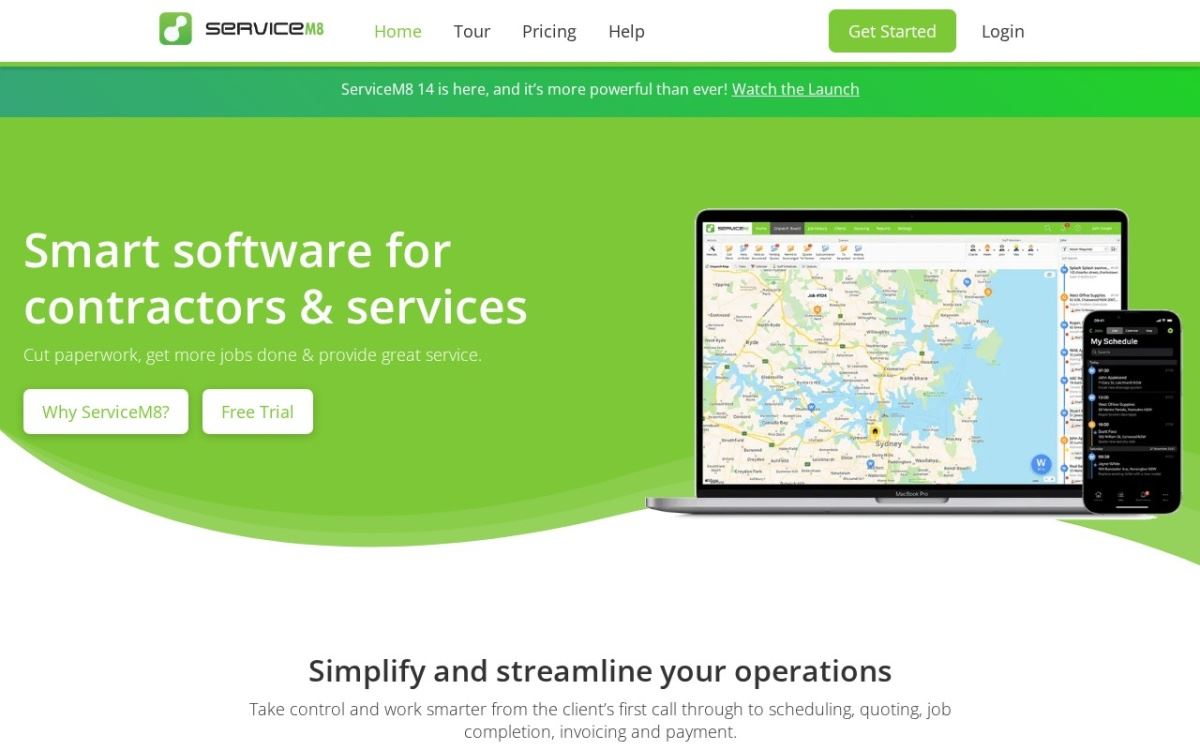
My sparky mate Terry - electrician, one van, same chaos as me historically - started sending quotes before he'd left the customer's driveway. Customers mentioned it to me, which stung. Terry's secret was ServiceM8, and his pitch was very Terry: 'It's the office you never hired, mate, and it costs less than your fuel card.'
What sold me was the first real job I ran through it. Call comes in, I make the job on my phone while we talk - name, address, problem. Drive out, look at the leak, build the quote on-site from my saved price list, and hit send while standing in her kitchen. She accepted before I'd reversed out of the driveway. Eleven years of 'I'll get you a quote tonight' died right there, and good riddance.
How a job runs now
From call to booked
- Every enquiry becomes a job card on my phone the moment the phone rings - no diary, no rubber band.
- Quotes go from my price list to their inbox in minutes, and chase themselves with polite automatic follow-ups.
- For me: quotes stopped falling through cracks, and the follow-ups win jobs I'd have lost to forgetfulness - customers just say yes to whoever answers first.
On the day
- My nephew sees his jobs, addresses, and notes on his phone; the customer gets an on-my-way text automatically.
- Photos and job notes attach to the job card forever - when a customer queried a repair eight months later, I pulled up before-and-after photos in thirty seconds.
- For me: no more wrong addresses, no more he-said-she-said, and the on-my-way texts alone have nearly killed the locked-out visit.
Getting paid
- Invoice goes out from the driveway, not the kitchen table - card payment right there on the phone if they want.
- Everything syncs to the accountant's software; tax time went from archaeology to an export.
- For me: the Sunday-night invoice pile is extinct. My wife has opinions about how long that took.
The results that mattered
Straight up, no made-up numbers: unbilled jobs went from 'at least three a month, that I know of' to zero, because a job card physically nags until it's invoiced. Quotes go out same-day, every day, and more of them win. Cash arrives weeks earlier now that invoicing happens on-site with card payment on the spot. And the hours - I got my Sunday nights back and most of the evening admin with them. For a bloke with a van, that's not software talk, that's life talk.
Straight talk on the downsides
ServiceM8 is built iPhone-first for the field - my Android-diehard nephew grumbled until I put an old iPhone in his van, and you should know that going in. It's also built for outfits like mine, not for fleets of twenty vans running commercial projects - that's a different class of tool. And the reporting tells me what I need, not everything an accountant might dream of. None of it has mattered to a two-van operation; all of it might matter to you.
The new Dave
The old Dave was a good plumber running a business held together by memory and a rubber band, quietly leaking money and evenings. The new Dave runs the same business from the phone already in his pocket, looks more professional than outfits twice his size, and hasn't forgotten an invoice in two years. The diary's still in the glovebox, actually. Blank. I keep it there like a trophy.
Should you try it?
If you're a tradie or run any small field-service outfit - plumbing, electrical, cleaning, aircon, gardening - and your system involves paper, memory, or Sunday-night guilt, try it. Plans start at pocket change for a solo operator, and one un-forgotten invoice pays for the year. Big multi-crew operations and Android-only teams should test their fit first - our full ServiceM8 review here on the site covers exactly where the lines are.
Honest disclosure: if you sign up through a link here, SMBToolbox may earn a small commission at no extra cost to you - it doesn't change a word of what we'd tell you over a cuppa. Scores and details are in our full ServiceM8 review.
- Dave
Community discussion
Enjoyed this story? Share your thoughts below.